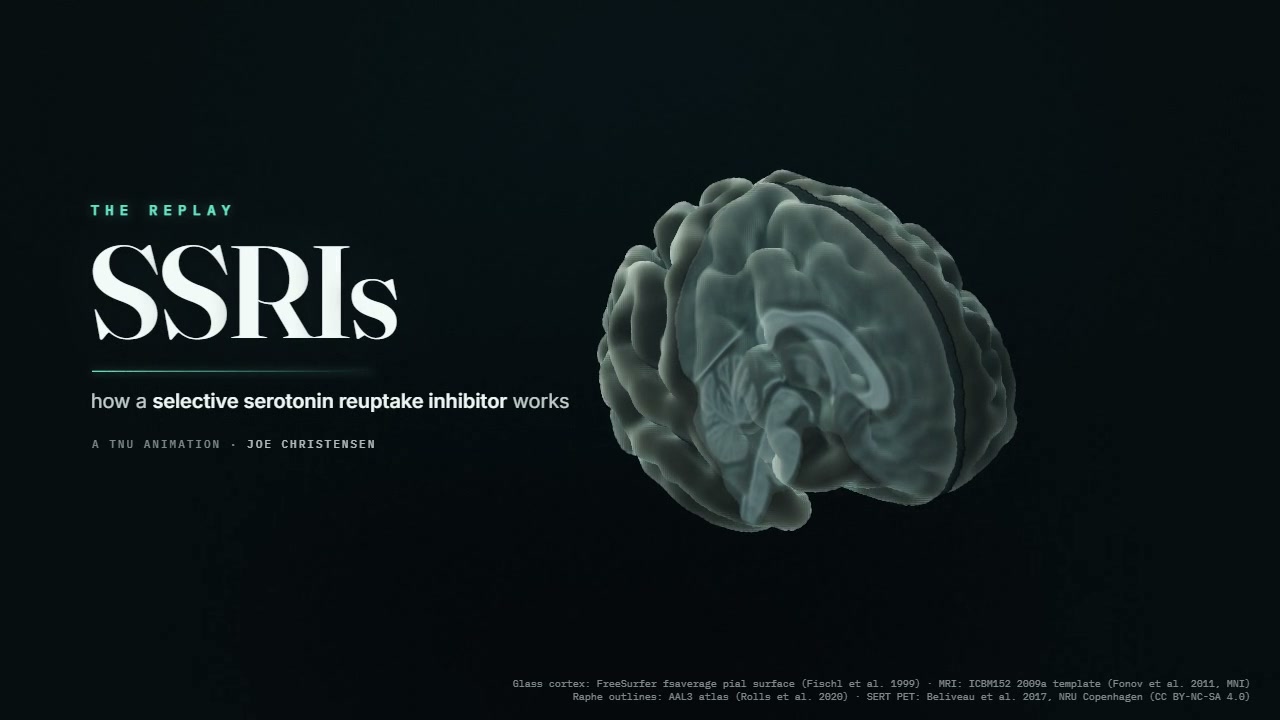
 SSRIs: The Replay
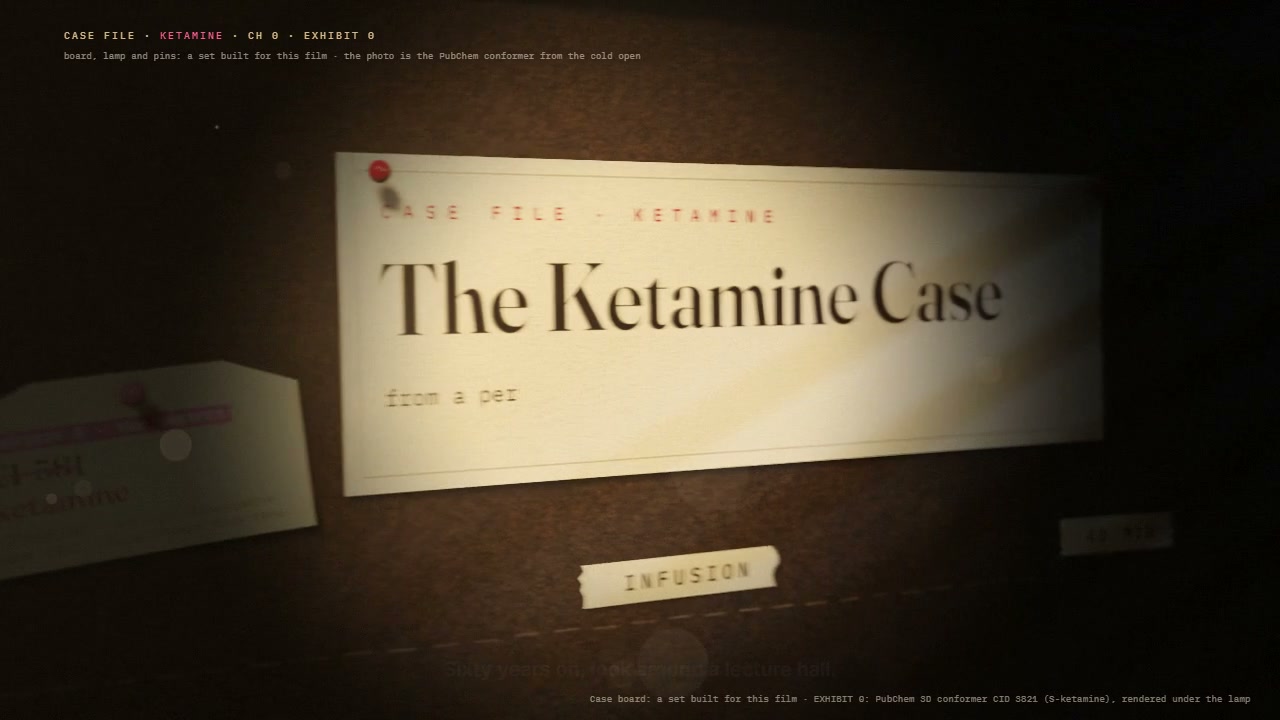 The Ketamine Case
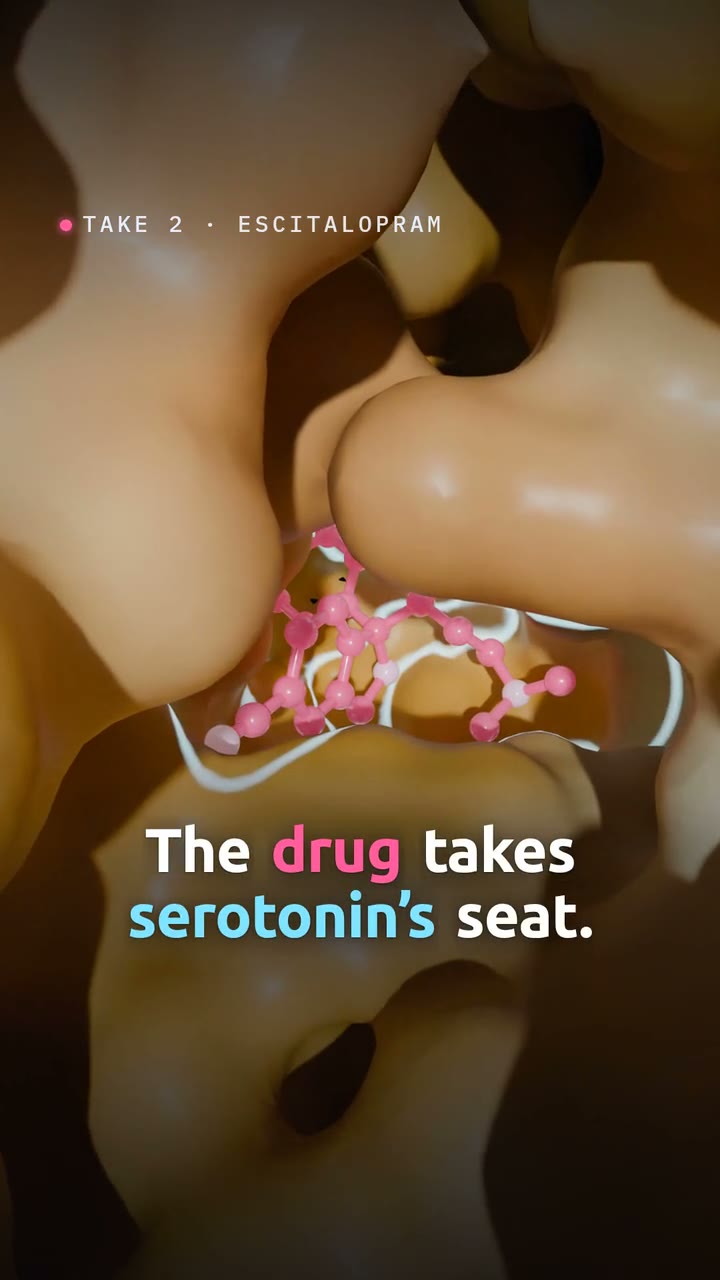 The Replay
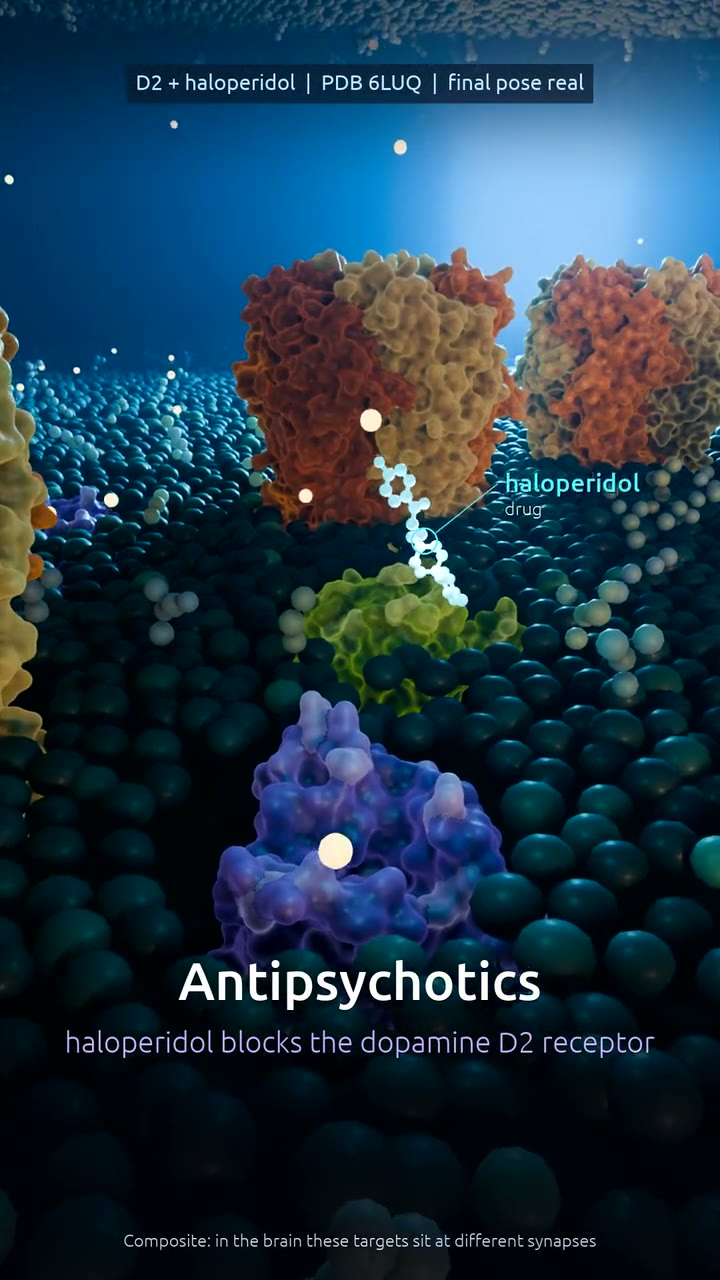 One gap, many medicines
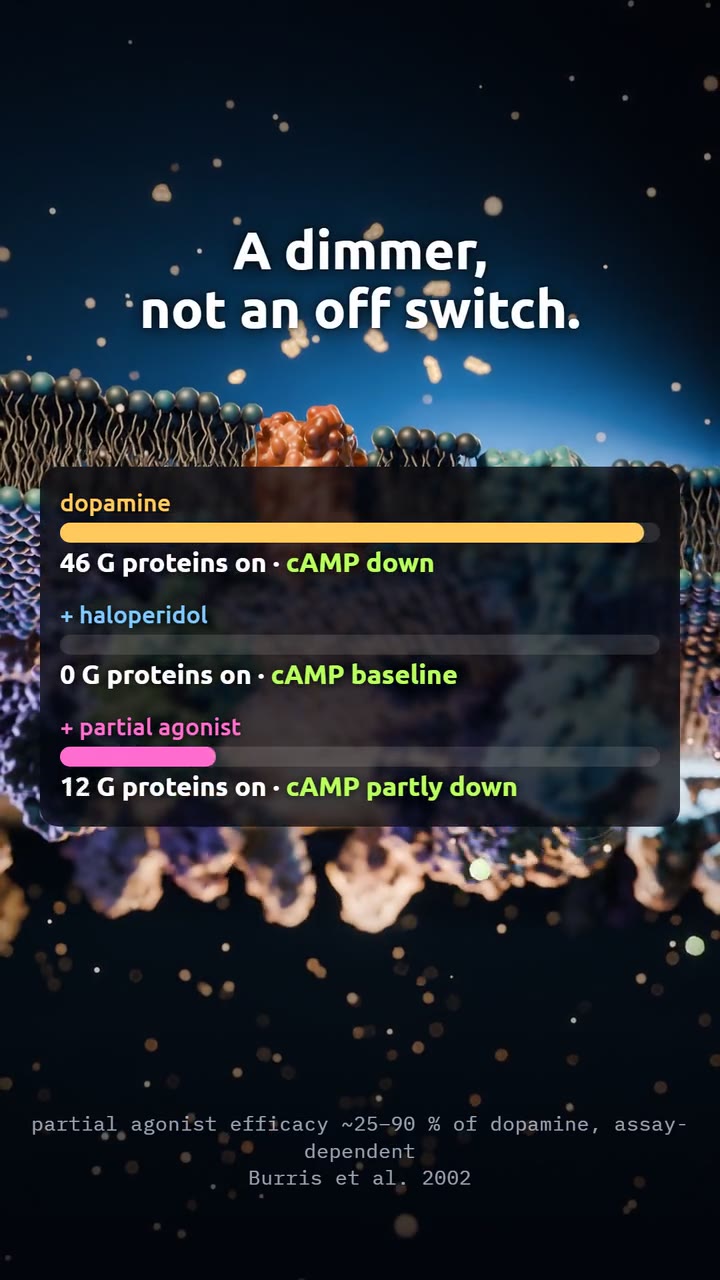 A dimmer, not an off switch
What's different
A film that explains how a drug works usually takes an animation agency, months and a large budget, and it's hard to check or update. I combine AI coding agents with a scientist's judgment to build every scene in code from primary sources: Protein Data Bank structures, published brain atlases and real imaging data.
Each claim on screen carries its reference, and researchers check the science and approve the script before anything is final. A film or lesson is made in days, corrected in hours and translated without being re-made.
Interactive lectures
Narrated lessons that stop and ask students to think before each answer.
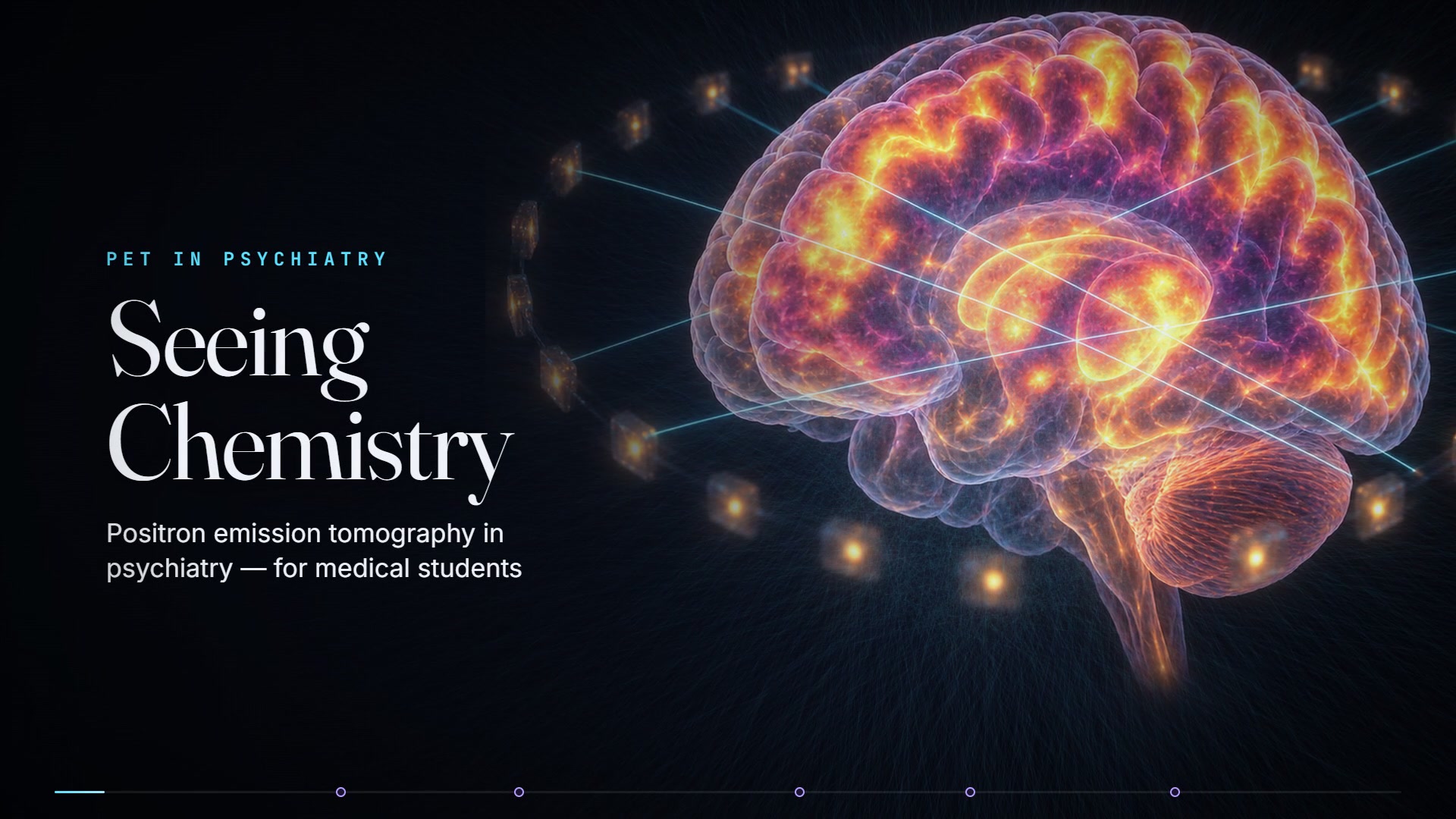 Seeing Chemistry: PET in Psychiatry
 What makes a good PET tracer?
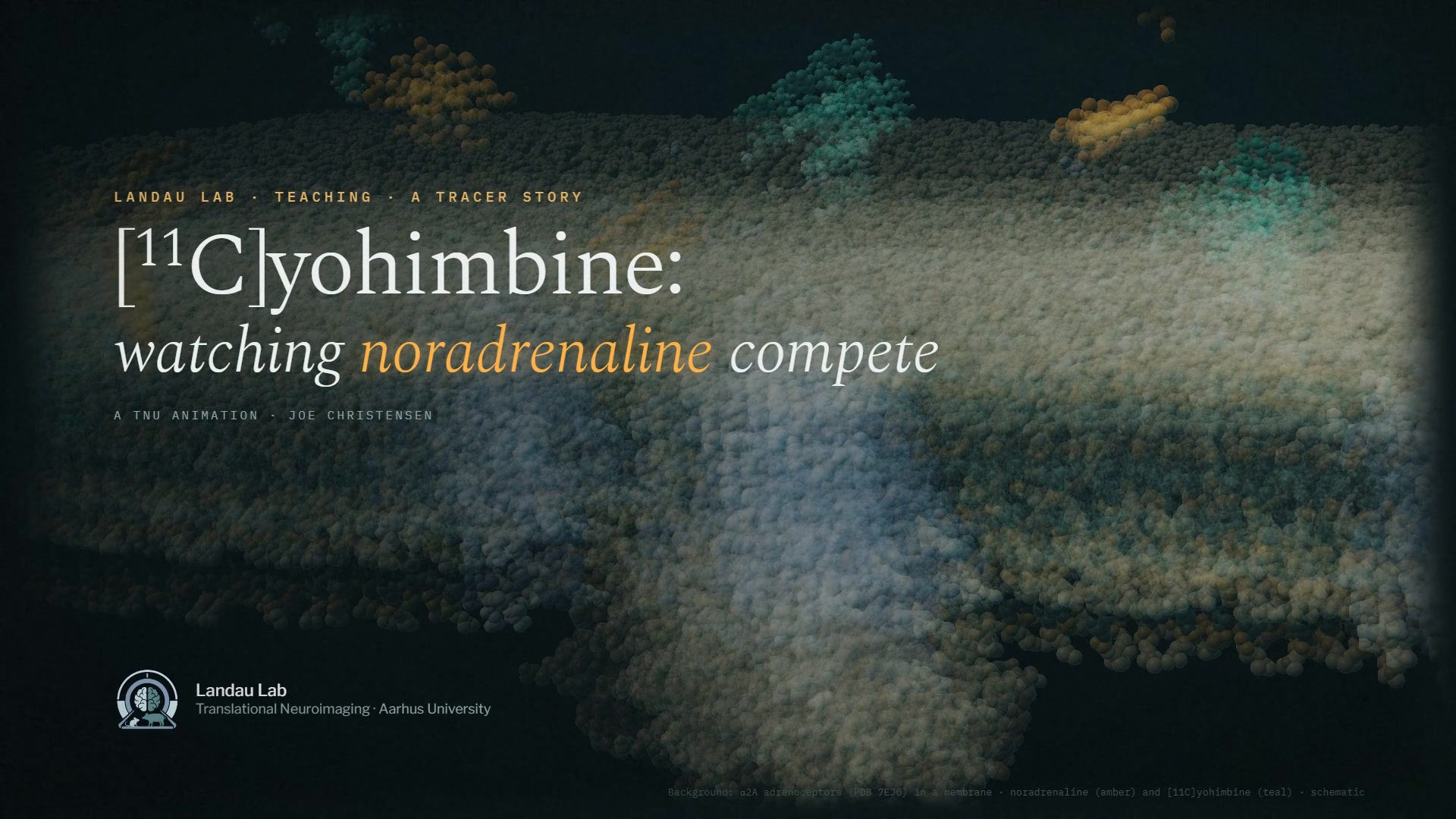 [11C]yohimbine: watching noradrenaline compete
Who has asked for it
This didn't start as a business idea. I began making these in my own time, and they spread by word of mouth.
- The head of the research unit asked for clips to promote an international online psychopharmacology course.
- An AU lecturer asked for two more drug films for a lecture and offered students' feedback as a pilot.
- The lab's principal investigator uses the films in teaching.
- A researcher in the unit saw the ketamine film and offered support letters from pharmacology professors abroad, and help with language versions.
None of this is paid work yet. Whether the interest extends to paying customers is what I want to test.
The plan so far
This comes from my AU Launch application, submitted 23 October 2026, with a decision expected around early December. There's no separate business plan yet, so the application is the current version.
Customers
- Medical-education teams in pharma and biotech: the main paying segment.
- Course organisers with budgets, such as summer schools and continuing education: where the work gets proven first.
Business model
Studio first, product later: commissioned films, course packages, then update licences and a self-serve tool that turns slide decks into lessons.
The next six months
- Build a short mechanism-of-action film and an interactive course module.
- Test them before and after with students in two AU courses.
- Get a medical-communication consultant's review and an external science check.
- Interview 12 to 15 pharma medical-education staff and course organisers.
Year one aim
A first company pilot, two paid course packages and six to eight films.
Team
Me as founder. Anne M. Landau, Associate Professor at the Translational Neuropsychiatry Unit, is scientific advisor.